
International Migrants Day: Honoring Movement, Contribution, and Dignity
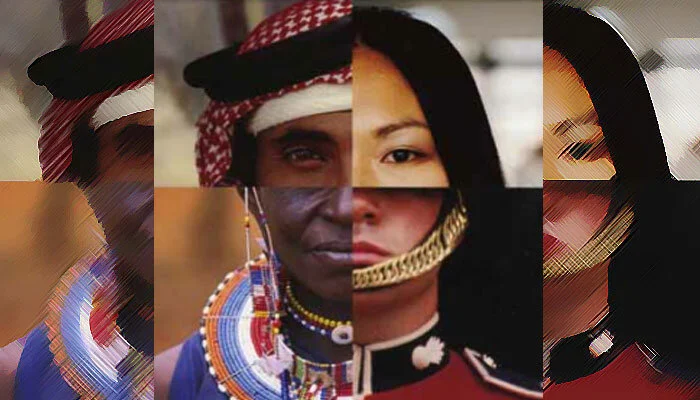
Today, on International Migrants Day, we pause to honor migrants and the profound contributions they make to communities around the world. Migration is not an anomaly of modern times—it is as old as humanity itself. Movement, displacement, and the search for safety, meaning, and opportunity are woven into our shared human story.
Across cultures and continents, migrants play critical roles in shaping societies. They fill essential labor gaps, bring vital skills, drive innovation and entrepreneurship, and help sustain aging populations. From healthcare and education to agriculture, technology, and the arts, migrant contributions are not peripheral—they are foundational.
And yet, migration is too often discussed through the language of threat, control, or crisis.
At Intercultural Psychology, we invite a different lens.
Migration Matters—And So Do Relationships
Migration matters because people matter. And because migration is relational, strong partnerships matter too—between nations, institutions, communities, and individuals. International cooperation is essential to ensure that migration and mobility are managed with care, foresight, and ethical responsibility.
Well-governed migration systems do more than regulate borders. At their best, they foster trust, protect human dignity, and create conditions for shared prosperity. When migration governance is rooted in transparency and compassion, it strengthens social cohesion rather than eroding it.
In a deeply interconnected world, no country stands alone. The movement of people is tied to global inequities, climate change, conflict, economic systems, and historical legacies. Managing migration responsibly means acknowledging this complexity—and working collaboratively to create win-win solutions that balance opportunity, protection, and accountability.
Protection, Not Exploitation
A humane migration system must offer safe and legal pathways for those seeking protection and opportunity. Expanding these pathways reduces the dangers of irregular journeys and undermines the power of migrant smuggling networks that exploit vulnerability for profit.
Stopping exploitation does not mean criminalizing migrants. It means refusing to allow systems—economic, political, or bureaucratic—to benefit from fear, precarity, or invisibility. Protecting migrants is inseparable from protecting our collective moral fabric.
When migration is poorly governed, suffering multiplies. When it is well governed, innovation flourishes, economies are strengthened, and dignity is upheld.
The Psychological Dimension of Migration
From a psychological perspective, migration is not only a geographic transition—it is an emotional, relational, and identity-shaping process. Migrants often carry grief for what was left behind, anxiety about belonging, and resilience forged through uncertainty. These inner experiences deserve recognition alongside policy conversations.
Confidence in migration systems is not built solely through laws and regulations. It is built when people feel seen, protected, and respected—when systems respond not only to movement, but to humanity.
When We Work Together, Migration Works
As Amy Pope, Director General of the International Organization for Migration (IOM), reminds us:
“When we work together, migration works for everyone.”
Similarly, Magnus Brunner, European Commissioner for Internal Affairs and Migration, has emphasized that effective migration governance depends on cooperation that is grounded in trust, responsibility, and shared values—ensuring protection for those in need while strengthening societies as a whole.
These reflections underscore a shared truth: migration is not a zero-sum reality. When guided by ethical leadership, international cooperation, and humane systems, migration becomes a source of resilience, creativity, and collective growth.
On this International Migrants Day, we honor migrants not only for what they contribute, but for who they are: carriers of history, culture, courage, and hope.
At Intercultural Psychology, we remain committed to supporting migrant and globally mobile individuals and families in cultivating a sense of belonging, psychological home, and resilience—wherever their journeys unfold.