
Blog
Depth Psychology
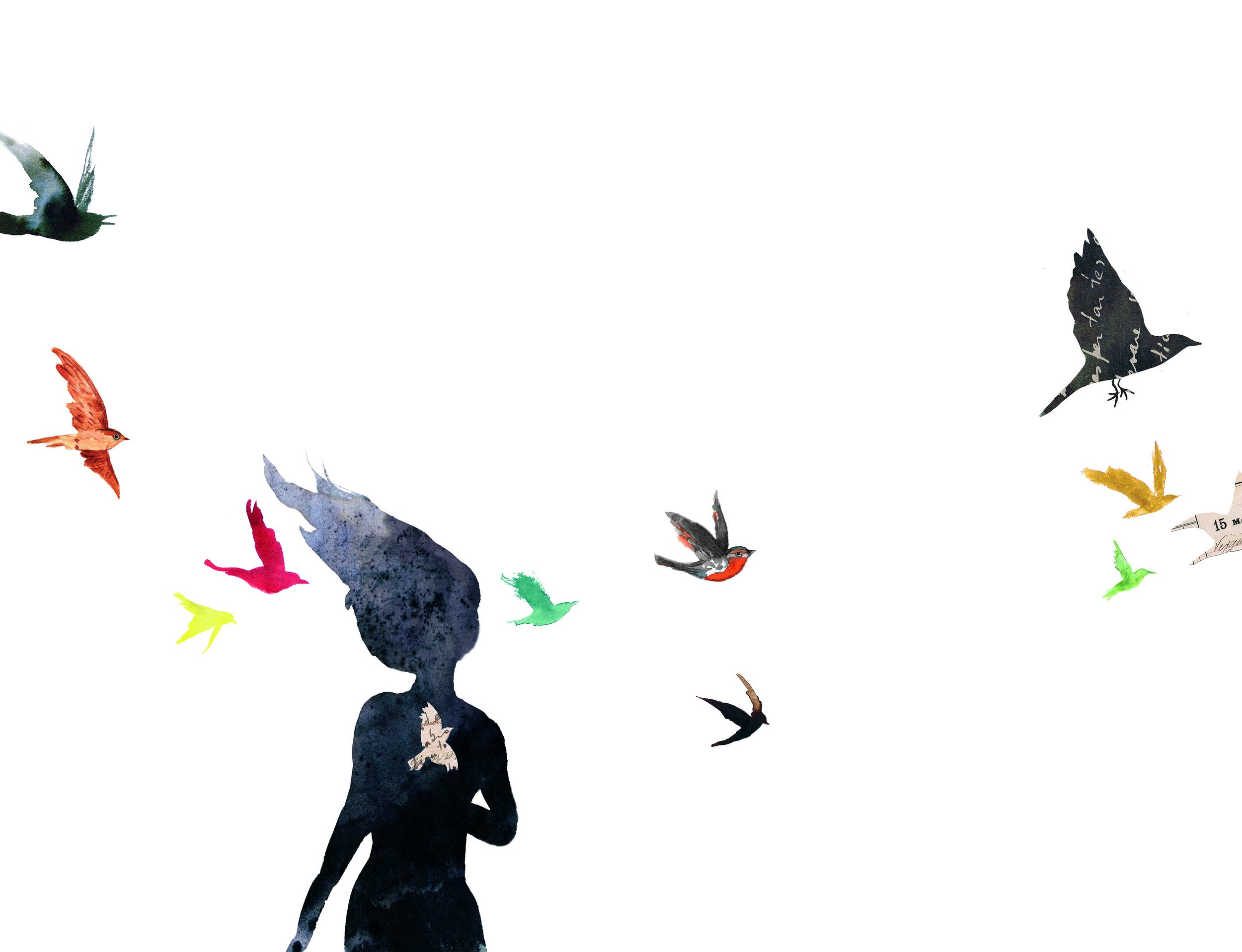
Watch this 8 minute video with Dr. James Hollis and Jungian Analyst addressing the nature of Depth Psychology and the Psyche. Modern psychological and psychiatric practice tends to split the person into behaviors thoughts and body chemistry we are of course all of these things but we're also something more much more if someone cataloged your behaviors summarized your thought process read your medical records and said they were you would protest because you are more than the sum of those parts. (James Hollis).
Adaptive Leadership: Providing an Interpersonal Holding in Times of Adversities
I’d like to introduce to leaders in executive positions, the concept of “holding’ introduced by the British psychoanalyst Donald Winnicott. The idea of fostering a holding environment seems to me, a very important element of being adaptive during a global crisis. This concept, provides insights into a leadership style that is effective in times of adversities. The quality of becoming a holding leader requires cultivating a holding presence. It is ultimately, your interpersonal holding skills that will provide the necessary holding environment to endure times of adversities.
Impactful leaders in times of adversities are invested in applying holding leadership principles that require:
Cultivating a holding presence
Developing an interpersonal holding style
Nurturing a holding environment
When a sincere concern for people is expressed, it opens up a new level of conversation in an organization, the relationships start revolving around common experiences and values among peers and employees.
If you want to create something impactful, become a holding presence.
Learn more about ways in which you can become a holding leader, through interpersonal holding. The most impactful way of holding people in times of adversities.
Learn more about this concept of holding Harvard Business Review.Learn more about creating a holding environment in organizations.
UNSHELTERED-AND-DISPLACED: THE PSYCHOLOGICAL EXPERIENCE OF EXPATS, IMMIGRANTS, AND REFUGEES DURING THE COVID-19 PANDEMIC.
Are you an expat, immigrant, refugee or bicultural individual, feeling lonely, anxious and depressed in times of isolation?
During this difficult time, we at INTERCULTURAL PSYCHOLOGY are aware of the impacts of COVID-19 on expats, immigrants, and refugees. The levels of stress may be increased by the fact that most do not have a support system in place anyway, having migrated on their own.
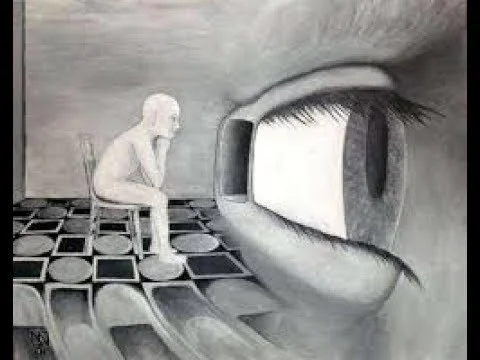
“With the pandemic there is an increasing feeling of “mobility loss” and “feeling stuck”. This often brings a state of frustration, anxiety and powerlessness”.
You might be concerned and feeling powerless because your family “back home” is in vulnerable areas around the globe, and you are not there to support them. You are probably, unable to seek comfort for yourself. If you have elderly parents, fears of not being able to see them again can be very painful. The inability to touch the ground of your homeland can be deeply traumatic, and the use of technology has been the only way you are able to connect with their homeland.
The impossibility of being able to cross borders to be with your loved ones “back home” may increase feelings of being “in-between-worlds”. Hence, anger, sadness, homesickness, hopelessness, confusion, and a deep feeling of not belonging. If you feel that you do not belong, it’s difficult to be present and “feel at home”. The saying “Home is where the heart is…”, is true and if your heart is split between two worlds it’s hard to feel present and focused.
The experience of being “sheltered-in-place” is new to most of us. If there is no sense of feeling sheltered and safe, psychologically and depending on the case, physically, the experience is of being unsheltered and homeless. When one is emotionally “displaced”, or “out of place”, or “in-between”, it’s unsettling and traumatic. In the perspective of immigrants, expats, and refugees, it would be more appropriate to call this pandemic as being “unsheltered and out of place” or “unsheltered and displaced”.
INTERCULTURAL PSYCHOLOGY is offering support for expats, immigrants, and refugees during the pandemic. Learn more here.
We would like to offer our expertise and help you get through these challenging times.

Breathe Your Way to Calm: How Cyclic Sighing Reduces Stress
Discover a simple, science-backed way to calm your mind in just five minutes a day. Stanford researchers found that cyclic sighing—a gentle, structured breathing technique—can boost mood, lower anxiety, and slow your breathing rate. Used alongside psychotherapy, it’s a practical tool to help you feel more grounded, resilient, and at peace.

Cultural Neuroscience: Perspectives on Compassion and Empathy

Awaken the Eagle: How to Embody Your True Potential
An eagle soaring through the golden sky above mist-covered mountains, wings spread wide in full flight.

Long-Term Benefits of Psychodynamic Psychotherapy
LONG-TERM BENEFITS OF PSYCHODYNAMIC PSYCHOTHERAPY

What Makes You Feel at Home?